Welcome to the official website of Nanbei Group




 008615890068607
008615890068607
008615890068607

Ultra-low temperature refrigerators are responsible for the long-term preservation of precious samples, reagents and biological products in laboratories and medicine. Once the alarm is activated, it often means that there is an abnormality in the operating status of the equipment. Follow the steps below to troubleshoot one by one, and you can usually quickly locate the problem.
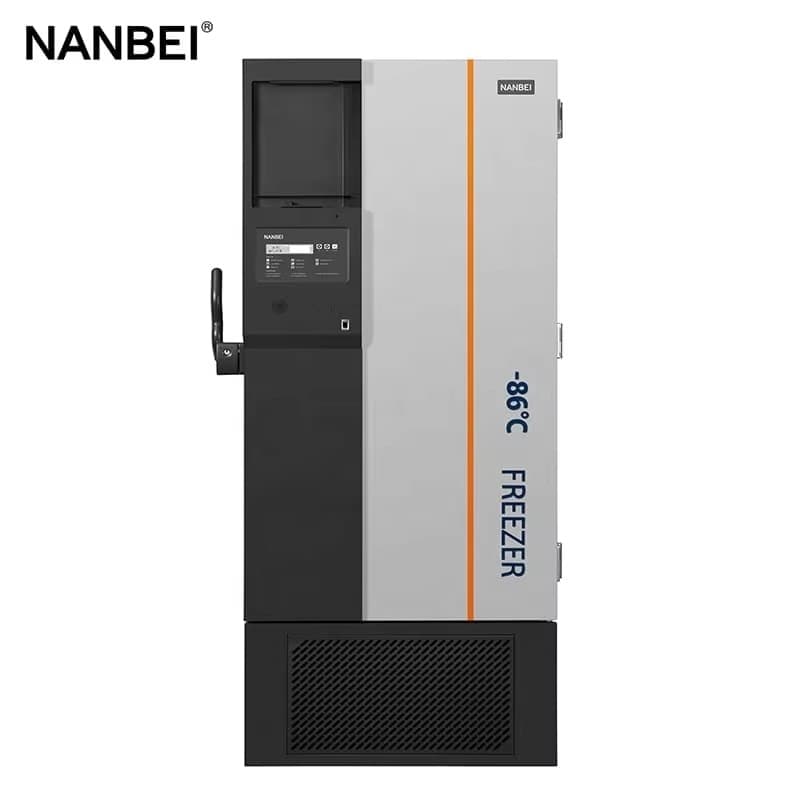
Troubleshooting the causes of an ultra-low temperature freezer alarm:
1. Check the power connection
Power issues are a common cause of alarms. First, verify that the freezer is receiving power; check for loose power cords, plugs that may have been accidentally disconnected, and any tripped circuit breakers or power outages in the area.
2. Check if the internal temperature exceeds the set range
Ultra-low temperature freezers are highly sensitive to temperature fluctuations. The alarm will trigger automatically if the internal temperature reading falls outside the appropriate range. Note that factors such as frequent door opening, loading a large quantity of items at once, or high ambient temperatures can cause the internal temperature to rise temporarily.
3. Check for overloading with items
Loading too many items at once—especially samples or reagents that have not been pre-cooled—significantly increases the freezer's cooling load. A rapid rise in internal temperature can easily trigger the alarm.
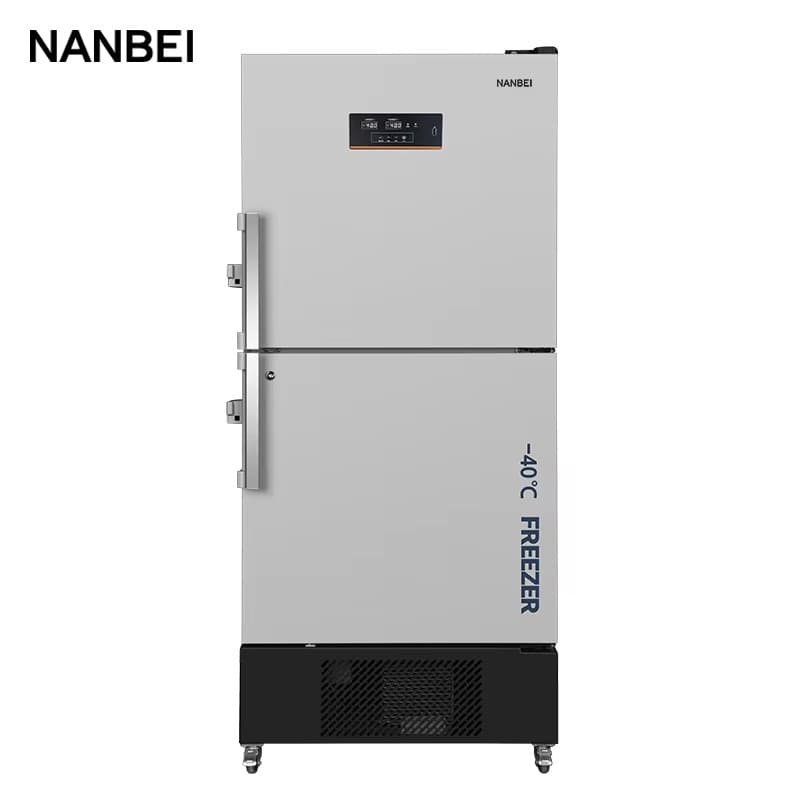
Craft Instruments with Ultimate Craftsmanship, Empower Global Research Through Precision
NANBEI INSTRUMENT adheres to the spirit of craftsmanship for perfection, delving into every detail—from design and materials to manufacturing processes—to ensure superior quality and long-term reliability.
Previous: No Information
Next: The FAI climbed 5.9 percent year-on-year in the first 11

 nanbeiinstrument@nanbei-china.com
 008615890068607
 Add: No. 72, Beihuan Road, Jinshui District, Zhengzhou,China
Navigation
QR Code

Copyright © NANBEI INSTRUMENT LIMITED